Database Query Optimization for Marketplaces | Laravel
Publication date not recordedBuilding highly interactive marketplaces like Mekina Bet and Baza.et requires deep database mastery. Here is a deep dive into how I optimized complex SQL query bottlenecks.
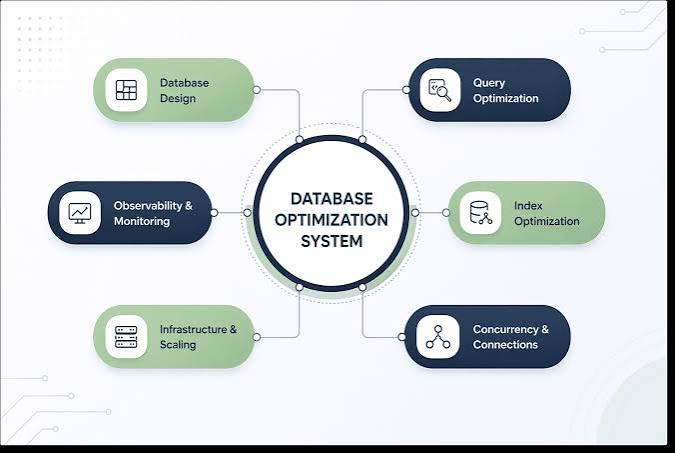
Building consumer-facing MVP applications like **Mekina Bet** (our automotive vehicle trading platform) and **Baza.et** (our upcoming peer-to-peer rental marketplace) is an incredible playground for a backend engineer. While designing beautiful frontend filters with Alpine.js and Tailwind is satisfying, the real battle is won or lost directly inside the database layers.
As these platforms scale, you run into significant performance degradation if your database design is sloppy. On a vehicle platform like Mekina Bet, users are constantly chaining intense query arguments—filtering by region, brand, price ranges, fuel types, and manufacturing years simultaneously.
During early stress tests with high-volume vehicle mock data, I noticed our listing pages were beginning to stall. The system was executing unindexed, resource-intensive sequential table scans. To solve this, I dove deep into SQL query optimization. I restructured our table schemas, implemented compound database indexes on frequently filtered columns, and utilized Eager Loading (`with()`) in Laravel to eradicate the notorious N+1 query problem entirely.
On the **Baza.et** platform, the database challenge became even more complex because of the multi-layered booking engine, transaction states, and Chapa payment integration points. Managing availability dates meant preventing race conditions where two users could potentially book the same asset at the exact same time. By leveraging database-level locking transactions (`lockForUpdate`) and writing highly efficient subqueries, I ensured that state management remains bulletproof without tanking application response times.
These challenges taught me that writing clean code isn't just about pretty formatting—it's about building performant, scalable database architectures that keep applications lightning fast under heavy loads.